A matcha protein powder turns a post-workout shake or a morning latte into one drink. They come in three main types: whey, plant-based and collagen, and they vary a lot in how much protein and how much real matcha they contain. This guide compares six on Amazon by protein source and the per-serving figures their listings give, from a lightly sweetened whey latte to a vegan meal shake.
Check the caffeine. Matcha protein powders contain caffeine from the matcha. If you train in the evening, look at the per-serving caffeine on the label.
The picks
As an Amazon Associate, Matcha Spot earns from qualifying purchases, at no extra cost to you. How we choose and check products. Prices checked on October 29, 2026.
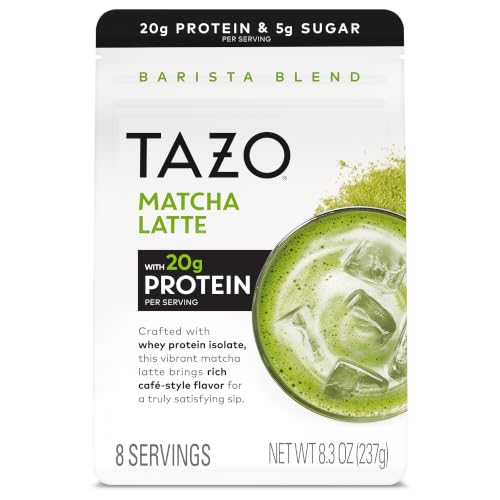
Made to be drunk as a latte rather than a gym shake. The listing gives 20g of protein from whey isolate and 5g of sugar per serving, sweetened with stevia and monk fruit, and says to mix two scoops with 10 oz of hot or cold milk.

A 2 lb tub from NOW, with 26g of protein per serving according to the title, a blend of whey concentrates and isolates, and organic matcha added. A good-value everyday whey if you want matcha flavour in your shakes.

A bubble tea-style protein drink with 25g of grass-fed whey isolate per serving. The listing says it uses shade-grown matcha from Nishio, Japan, and is sweetened with monk fruit; tapioca pearls are not included.

USDA Organic pea protein with 20g of protein per serving and no added sugar, according to the listing, which also says it contains no soy, dairy, gluten or stevia. The plant-based pick for dairy-free diets.

A matcha collagen drink rather than a muscle-building protein: 10g of collagen peptides, 50mg of caffeine and 20mg of L-theanine per serving, according to the listing. Mixes into hot or cold drinks.

A plant-based meal replacement in a matcha flavour, with pea protein, greens, probiotics and digestive enzymes listed among its ingredients. The most expensive option here, aimed at replacing a meal rather than topping up protein.
Whey, plant or collagen?
- Whey mixes smoothly and has the most protein per scoop. Isolates contain less lactose than concentrates.
- Plant protein (usually pea) suits dairy-free and vegan diets.
- Collagen is a different kind of protein, usually taken for skin and joints rather than muscle building.
Make it a latte
Most matcha protein powders mix best with a shaker or a frother rather than a spoon. See how to make matcha without a whisk for the tools.
At a glance
| Powder | Protein type | Protein per serving (per listing) | Best for |
|---|---|---|---|
| TAZO Matcha Latte | Whey isolate | 20g | Lattes |
| NOW Sports | Whey blend | 26g | Value |
| Boba Tea Protein | Whey isolate | 25g | A treat |
| Truvani | Pea | 20g | Vegan |
| Vital Proteins | Collagen | 10g collagen | Skin and joints |
| Ka'Chava | Plant blend | See label | Meal replacement |
Prices and stock were checked with Amazon on the date shown and change often. Product details come from each Amazon listing; we have not lab-tested these products.
Find matcha cafés near you
Taste what good matcha should be before you spend — find the best cafés in your city.
Find Matcha Near MeMore matcha guides
Frequently asked questions
What is the best matcha protein powder?
For a matcha latte with protein, TAZO's Matcha Latte Whey gives 20g of protein per serving. For value, NOW Sports Whey with matcha gives 26g. For a vegan option, Truvani's organic pea protein gives 20g.
Does matcha protein powder have caffeine?
Yes, from the matcha. Vital Proteins lists 50mg per serving for its matcha collagen. Check each product's label for its figure.
Can I add matcha to my own protein powder?
Yes. A teaspoon of culinary or latte-grade matcha mixed into vanilla or unflavoured protein works well, and lets you control the amount of matcha.