Hojicha is Japanese green tea that has been roasted, which turns the leaves reddish-brown and swaps matcha's grassy, vegetal taste for something toasty and nutty. Ground into a powder, it makes a latte that suits anyone who finds matcha too bitter, and it is usually made from later-harvest leaves and stems, so it tends to be lower in caffeine. This guide covers six hojicha powders on Amazon, what each listing says about origin and use, and how to choose between them.
Hojicha or matcha? Matcha is shade-grown green tea ground raw; hojicha is roasted before grinding. Hojicha is mellower and works better in baking, where its roasted flavour survives heat. See what is matcha for the basics.
The picks
As an Amazon Associate, Matcha Spot earns from qualifying purchases, at no extra cost to you. How we choose and check products. Prices checked on October 29, 2026.

The easiest place to start. The listing describes it as 100% organic roasted green tea powder with nothing added, sourced from Kagoshima and Mie, and made as a Barista Edition for lattes and recipes. The small pouch keeps it fresh and is a low-risk way to find out whether you like hojicha before buying more.

A 100g bag from a Shizuoka tea seller, JAS-certified organic according to the listing and sold as a culinary grade for lattes, baking and smoothies. Good value per gram if you already know you like hojicha, and the listing pitches it as a mellow alternative to matcha.

The listing says it is made from JAS-certified organic leaves from Uji, Kyoto, blended from sencha, bancha and kukicha and roasted to reduce bitterness and caffeine. It is also described as heat-stable for baking, which makes it a strong pick for hojicha cookies, cakes and puddings.
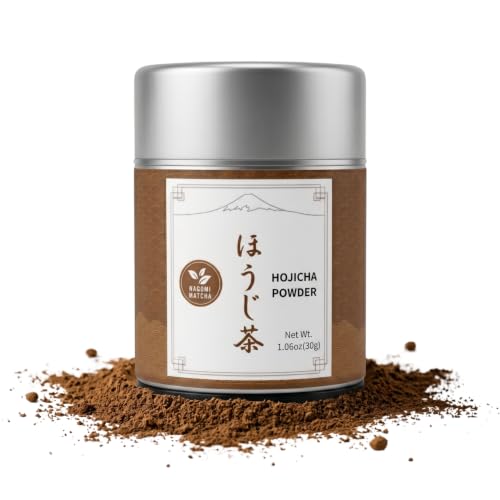
A small 30g tin labelled first harvest, with a single ingredient: Japanese green tea. Worth trying if you want a more refined hojicha to drink with hot water rather than milk.

The listing describes a pan-roasted blend of sencha and kukicha (stem tea) from a mountain plantation in Shizuoka, with a smoky taste and a touch of sweetness, and recommends it for desserts and cakes. Prepare it like matcha for a latte, hot or iced.

An organic hojicha the listing says is sourced from farms in Shizuoka, with no additives. Midori Spring also makes one of the matchas in our latte matcha guide.
How to make a hojicha latte
- Sift 1 to 2 teaspoons of hojicha powder into a cup.
- Add about 2 oz (60 ml) of hot water, around 80–90°C, and whisk or froth until smooth. Hojicha tolerates hotter water than matcha.
- Top with 6 oz of warm, frothed milk. Oat milk pairs especially well with the roasted flavour.
- Sweeten to taste; a little honey or brown sugar suits hojicha.
No whisk? See how to make matcha without a whisk; the same methods work for hojicha.
Caffeine
Hojicha is usually made from later-harvest leaves and stems, which contain less caffeine than the young shade-grown leaves used for matcha, and several of the listings above describe their hojicha as low in caffeine. It is not caffeine-free, so check the brand's figures if you are avoiding caffeine.
At a glance
| Hojicha | Size | Origin (per listing) | Best for |
|---|---|---|---|
| Jade Leaf Barista Edition | 1.76 oz | Kagoshima and Mie | Trying hojicha |
| KIMIKURA Organic | 100g | Shizuoka | Value |
| YAMASAN Kyoto Uji | 100g | Uji, Kyoto | Baking |
| NAGOMI First Harvest | 30g | Japan | Drinking with water |
| Ocha & Co. | 100g | Shizuoka | Desserts |
| Midori Spring | Pouch | Shizuoka | Organic lattes |
Prices and stock were checked with Amazon on the date shown and change often. Product details come from each Amazon listing; we have not lab-tested these products.
Find matcha cafés near you
Taste what good matcha should be before you spend — find the best cafés in your city.
Find Matcha Near MeMore matcha guides
Frequently asked questions
What is hojicha powder?
Hojicha powder is Japanese green tea that has been roasted and then ground into a fine powder. Roasting gives it a toasty, nutty flavour and a reddish-brown colour, and it can be whisked and used like matcha.
Does hojicha have less caffeine than matcha?
Usually yes. Hojicha is generally made from later-harvest leaves and stems, which contain less caffeine than the young leaves used for matcha. It still contains some caffeine.
Is hojicha better than matcha for baking?
Hojicha's roasted flavour holds up well in the oven, which is why several brands market their hojicha powder for baking. Matcha can turn dull and bitter with heat unless you use a culinary grade.
Can I use hojicha powder in a latte?
Yes. Whisk 1 to 2 teaspoons into a little hot water, then add frothed milk. It is one of the most popular ways to drink hojicha powder.